Zealand and Copenhagen combine Danish history, modern architecture, and spectacular nature in a compact space. Between royal castles, world-famous museums, and impressive coastal landscapes, Denmark reveals its most diverse side. At the same time, historic atmosphere meets modern Scandinavian lifestyle.
V. Zealand, Copenhagen & Surroundings
1. Louisiana Museum (Humlebæk): World-class art and architecture right on the Øresund.
2. Roskilde Domkirke: Burial place of Danish monarchs and home to the famous Raphael Organ.
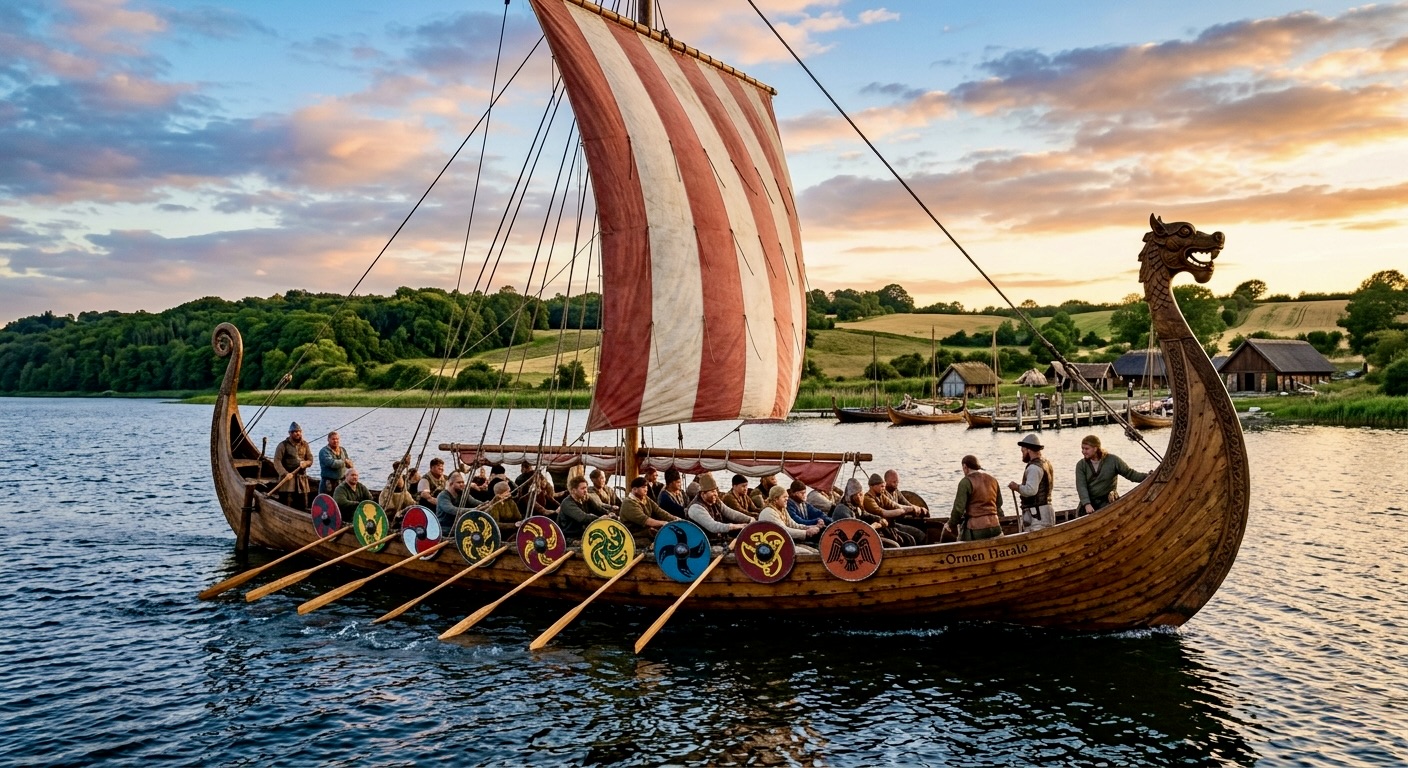
3. Vikings Ship Museum (Roskilde): With authentic finds from the fjord.
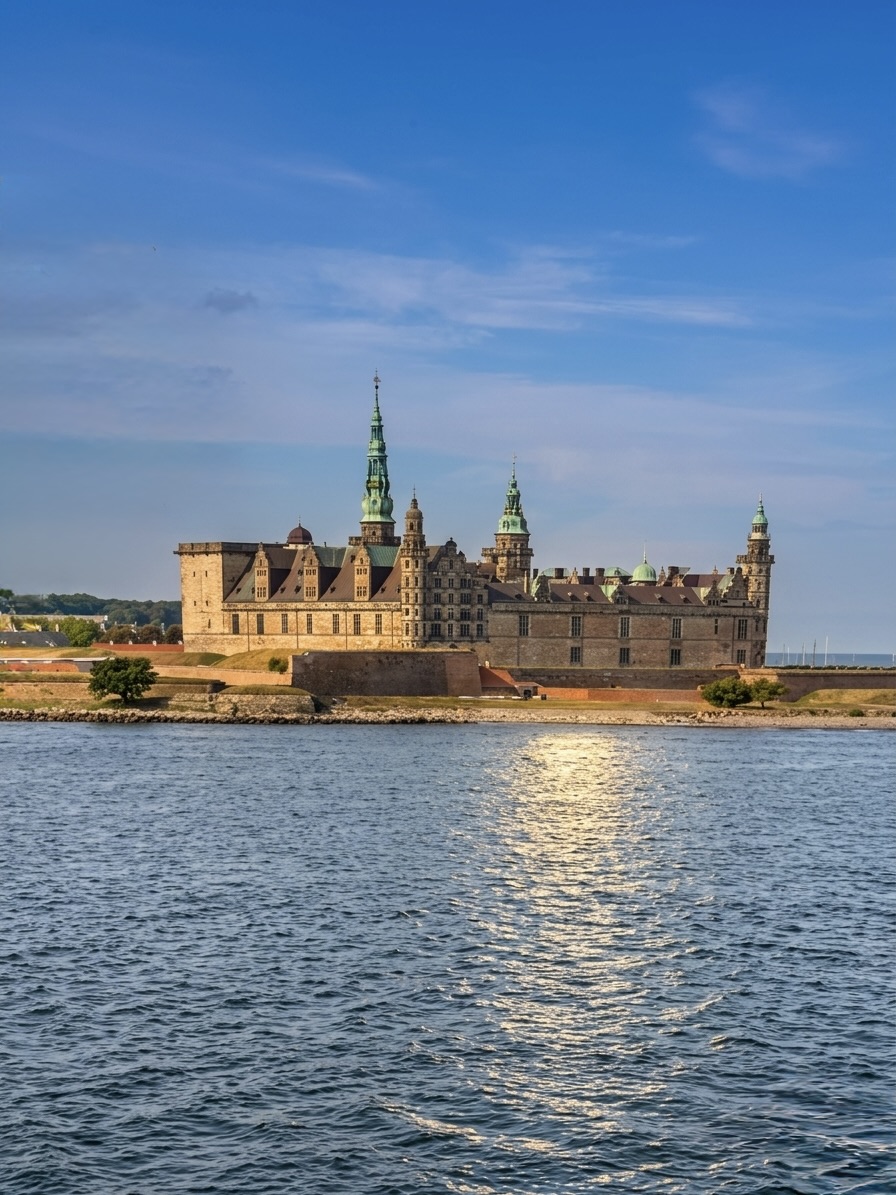
4. Kronborg Castle (Helsingør): Hamlet's castle and guardian of the Øresund.
5. Møn's Klint: The brilliantly white chalk cliffs - UNESCO Biosphere Reserve.
6. Stevns Klint: Where you can see the geological layer marking the end of the dinosaurs.
7. Skovtårnet (Camp Adventure): A 45-meter-high observation tower above the treetops.
8. Frederiksborg Castle (Hillerød): The National Historical Museum in magnificent Renaissance style.
9. Nyhavn & Reffen (Copenhagen): Historic charm meets modern street food.
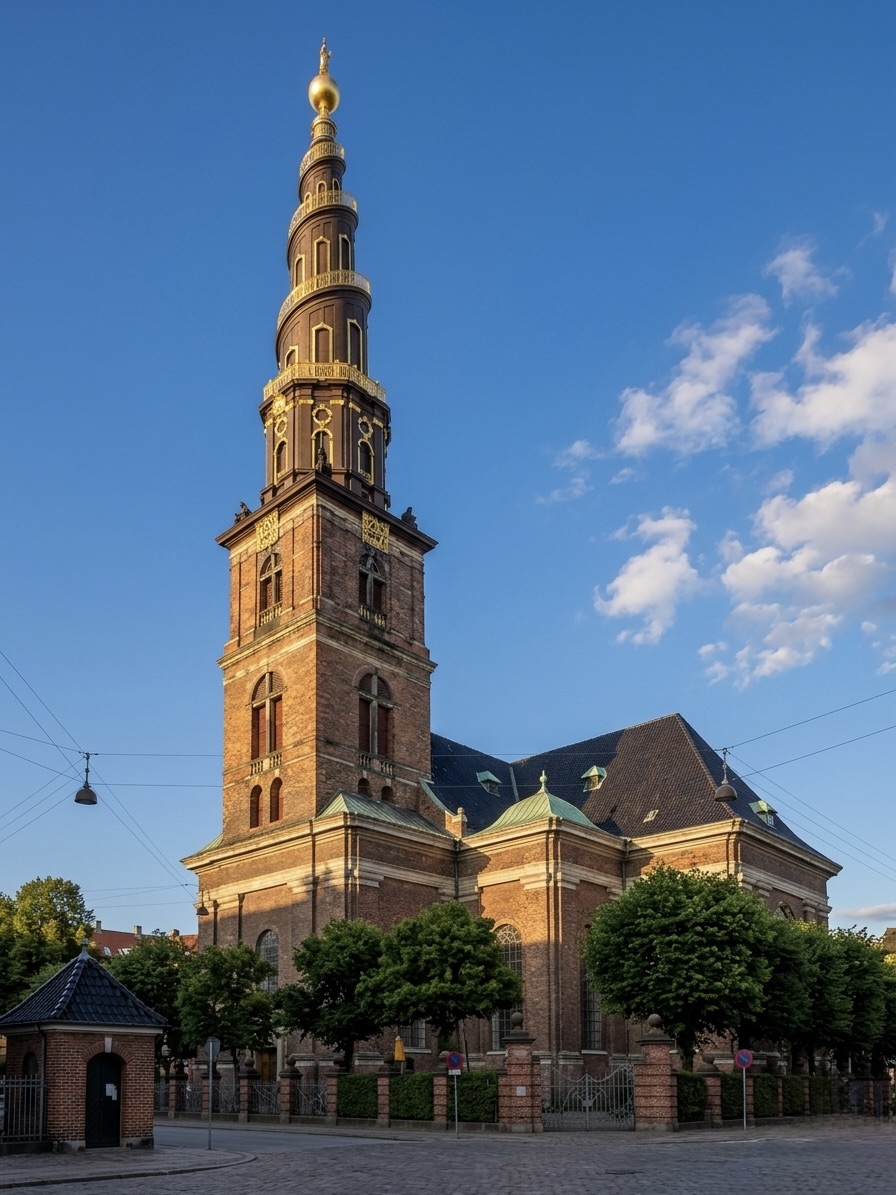
10. Vor Frelsers Kirke (Copenhagen): The distinctive spiral staircase on the outside of the tower.
Whether UNESCO World Heritage, Viking culture, or views across the Øresund - the region offers some of the country's most famous attractions. Particularly fascinating is the contrast between peaceful nature experiences and the vibrant pulse of the capital, Copenhagen.
V. Zealand, Copenhagen & Surroundings
1. Louisiana Museum (Humlebæk): This museum of modern art is world-renowned for its perfect symbiosis of architecture, art, and nature. Sculpture parks offer direct views across the Øresund to Sweden and create a meditative atmosphere. Changing exhibitions continuously present international top-tier art of world class.
2. Roskilde Domkirke: The massive brick cathedral has served for centuries as the traditional burial place of Danish kings and queens. With nearly 40 royal graves, it is a stone chronicle of the monarchy and a UNESCO World Heritage site. Musically, it is known for its historic Raphael Organ, which represents a unique sound body.
3. Vikings Ship Museum (Roskilde): The museum displays five original ships from the 11th century that were once sunk in the fjord to defend against attackers. In the adjacent shipyard, Viking ships are reconstructed using historical tools and launched. In summer, visitors even have the opportunity to sail themselves in a reconstructed ship.
4. Kronborg Castle (Helsingør): The massive fortress on the Øresund gained worldwide fame as the setting for Shakespeare's drama "Hamlet". Visitors can explore the magnificent halls and the dark casemates deep beneath the castle. In the underground passages sleeps the legendary figure Holger Danske, who is said to awaken when Denmark is in need.
5. Møn's Klint: The brilliantly white chalk cliffs rise steeply up to 128 meters from the turquoise Baltic Sea. A network of hiking trails and steep stairs leads down from the cliffs to the beach, where you can search for fossils. The attached GeoCenter explains the geological formation of this dramatic landscape.
6. Stevns Klint: This coast is geologically unique because you can read in the rock layers the event that led to the extinction of the dinosaurs. The old church of Højerup, which has partially collapsed into the sea, is a sobering symbol of coastal erosion. Since 2014, this place has been a UNESCO World Heritage site due to its scientific significance.
7. Skovtårnet (Camp Adventure): The 45-meter-high observation tower winds elegantly in a spiral above the canopy of a beech forest. The architectural construction of Corten steel and oak wood offers barrier-free access with a 360-degree panorama. On clear days, the view from the top extends all the way to Copenhagen and Malmö.
8. Frederiksborg Castle (Hillerød): Scandinavia's largest Renaissance castle houses Denmark's National Historical Museum. The magnificent rooms are furnished with portraits, furniture, and art treasures from various centuries. Particularly impressive is the Baroque palace garden with its strictly symmetrical cascades and hedges.
9. Nyhavn (Copenhagen): The historic harbor arm with its colorful gabled houses is probably the most famous postcard motif of the Danish capital. Once a rough district for sailors, it is today a lively place with numerous restaurants and waterfront cafés. In houses number 18, 20, and 67, the fairy tale author Hans Christian Andersen lived for a time.
10. Vor Frelsers Kirke (Copenhagen): The Baroque church is famous for its distinctive tower with an external spiral staircase that leads to the top. Those who climb the 400 steps are rewarded with one of the best views over the rooftops of Copenhagen. Inside, the church also impresses with one of the country's most magnificent organs with its powerful facade.