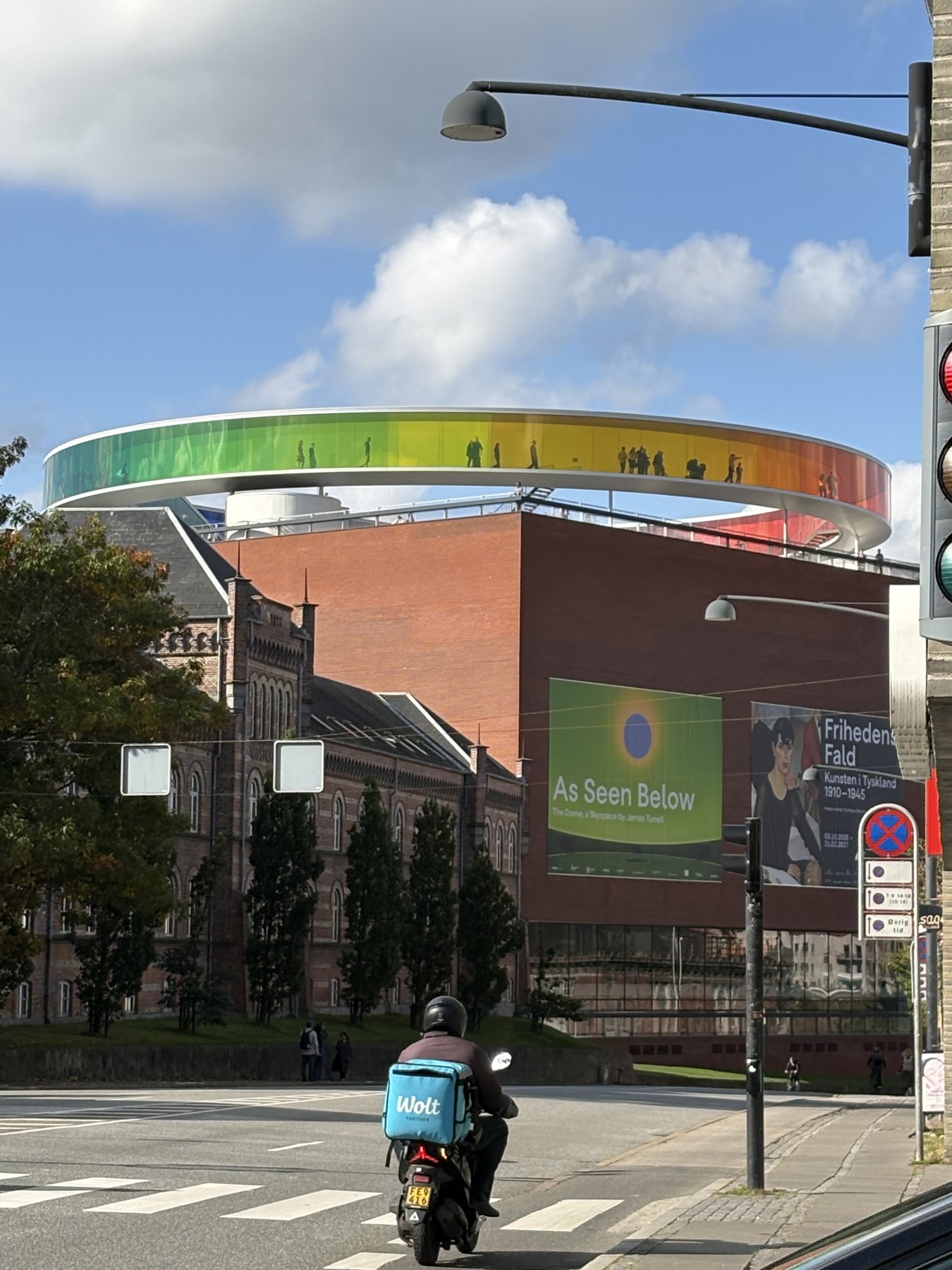
Aarhus forms the modern, cultural hub where contemporary architecture and urban life meet directly. The Central Jutland hinterland offers the perfect counterbalance through the expansive lake district around Silkeborg and the historical significance of the monuments in Jelling.
This region reveals the precise balance between the current pulse of the city and the permanence of an ancient cultural landscape.
III. Aarhus & Central Jutland:
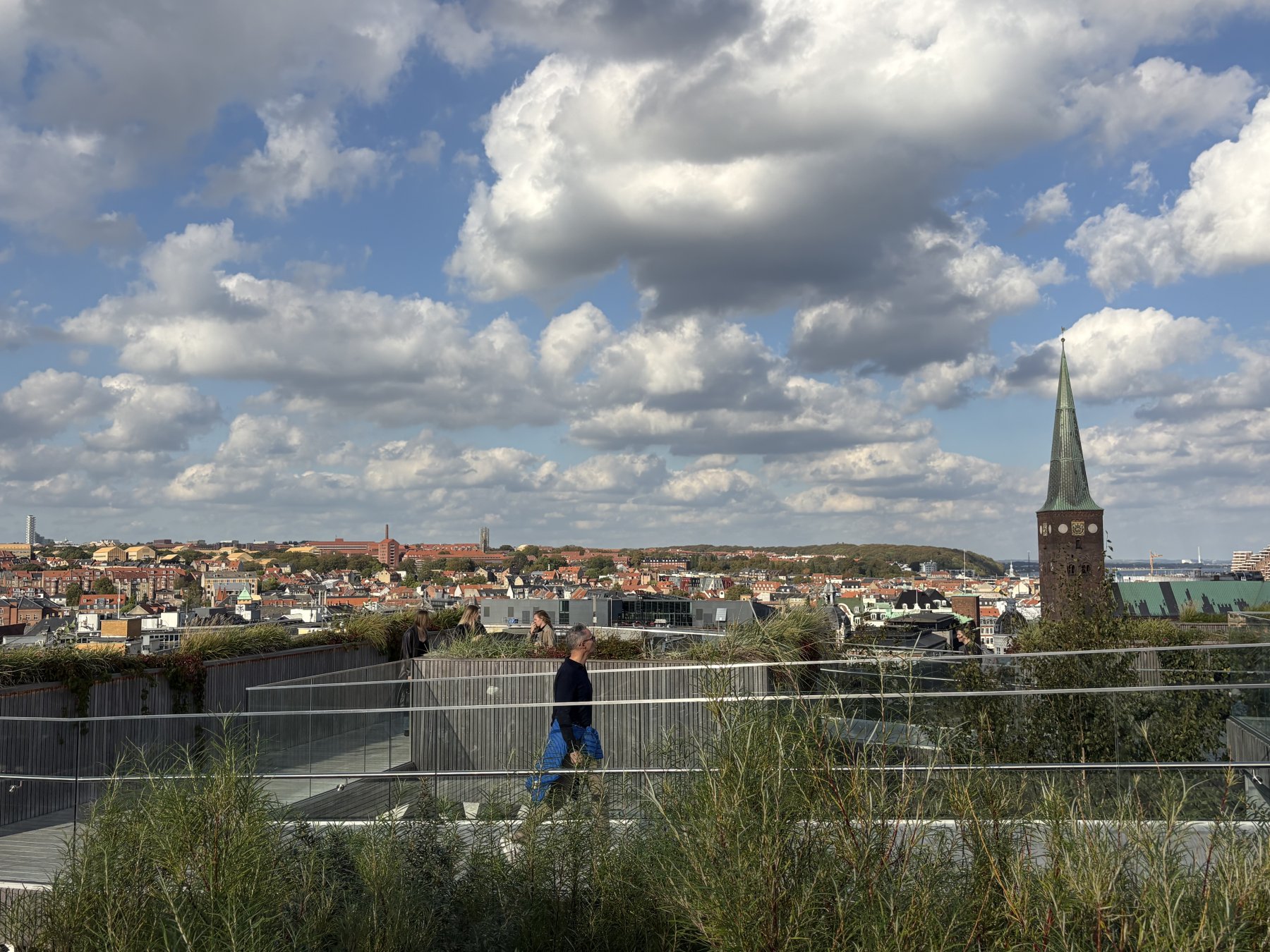
1. ARoS Art Museum (Aarhus): Featuring Olafur Eliasson's "Rainbow Panorama".
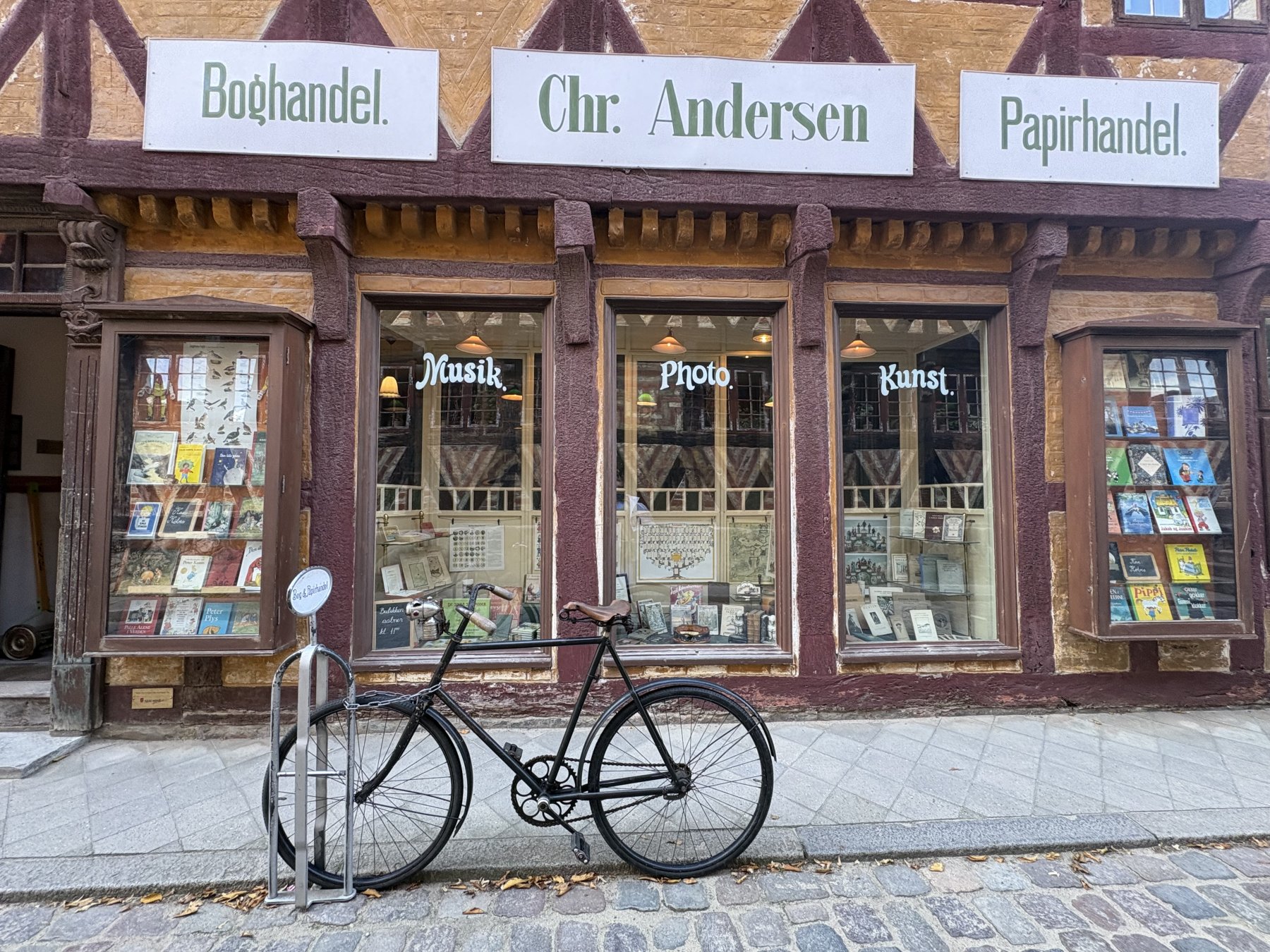
2. Den Gamle By (Aarhus): World-class open-air museum (especially the 1970s district).
3. Moesgaard Museum: Prehistory embedded in spectacular architecture.
4. Dokk1 (Aarhus): Denmark's most modern library and cultural center.
5. Himmelbjerget (Silkeborg): One of Denmark's highest "mountains" (147 m) with wonderful views.
6. Steamship Hjejlen: The world's oldest coal-fired paddle steamer (Silkeborg Lakes).
7. Jelling Stones: The UNESCO World Heritage monuments of Viking kings Gorm and Harald Bluetooth.
8. Fængslet (Horsens): A former prison, now a museum and cultural venue.
9. Ebeltoft: Home to the world's smallest town hall and the frigate Jylland.
10. Mønsted Limestone Quarries: The world's largest limestone quarries—constant 8 degrees and cheese storage.
III. Aarhus & Central Jutland
1. ARoS Art Museum (Aarhus): The museum is primarily known for the walkable rainbow panorama by artist Olafur Eliasson on its roof. Inside, you'll find provocative contemporary works and classical Danish artistic treasures. It's an architectural statement that dominates Aarhus's cityscape.
2. Den Gamle By (Aarhus): This vibrant open-air museum takes visitors on a journey through Danish urban history from 1864 to the 1970s. In authentically furnished houses, you encounter "residents" who recreate the everyday life of bygone eras. It's a fascinating time travel experience that engages all your senses.
3. Moesgaard Museum: The museum is an architectural highlight whose walkable grass roof seamlessly transitions into the surrounding hilly landscape. The exhibitions present prehistoric finds like the Grauballe Man in a cutting-edge, multimedia presentation. It combines archaeology with compelling storytelling at a world-class level.
4. Dokk1 (Aarhus): This modern cultural and library center at the harbor is an award-winning meeting place for citizens and tourists. With fully automated parking systems and innovative learning spaces, it sets new standards for public buildings. A special highlight is the bell that rings every time a child is born in the city's hospital.
5. Himmelbjerget (Silkeborg): At 147 meters high, this location was long the center for folk festivals and political assemblies. A historic brick tower at the summit commemorates the introduction of the Danish Constitution. The view across the Silkeborg Lakes is considered one of the most romantic landscapes in the country.
6. Steamship Hjejlen: The world's oldest coal-fired paddle steamer has been in service on the lakes around Silkeborg since 1861. Passengers experience a nostalgic journey past dense forests and stately villas. The rhythmic pounding of the paddle wheels is a special experience for technology enthusiasts and romantics alike.
7. Jelling Stones: The monumental rune stones from the 10th century are regarded as the birth certificate of Denmark. King Harald Bluetooth had his pride in the unification of the realm and the Christianization of the Danes immortalized here. Together with the massive burial mounds, they represent the country's most significant UNESCO World Heritage site.
8. Fængslet (Horsens): The former state prison has been transformed into an award-winning museum and cultural center. Visitors can walk through the authentic cells and experience firsthand the oppressive history of its inmates. Today, concerts and major festivals take place on the grounds in a truly unique setting.
9. Ebeltoft: This idyllic small town captivates with its cobblestone streets and half-timbered houses adorned with blooming hollyhocks. In the harbor lies the frigate Jylland, the world's longest wooden ship, which can be visited. The town's modern glass museum also showcases international contemporary art made from glass.
10. Mønsted Limestone Quarries: In the world's largest limestone quarries, over 60 kilometers of labyrinthine passages stretch beneath the earth. The constant temperature is now used to age cheese that is appreciated throughout the region. An underground light show and a small train make the visit an adventure for the whole family.
Central Jutland offers a clear contrast between Aarhus's urban pace and the deep stillness of the lake landscape. It's the region where Danish identity, from historic rune stones to the most contemporary art, becomes most tangible.
If you want to understand the diversity of the Danish mainland, you'll find the necessary depth in this region.