A summer evening by the sea and the story behind Sankt Hans
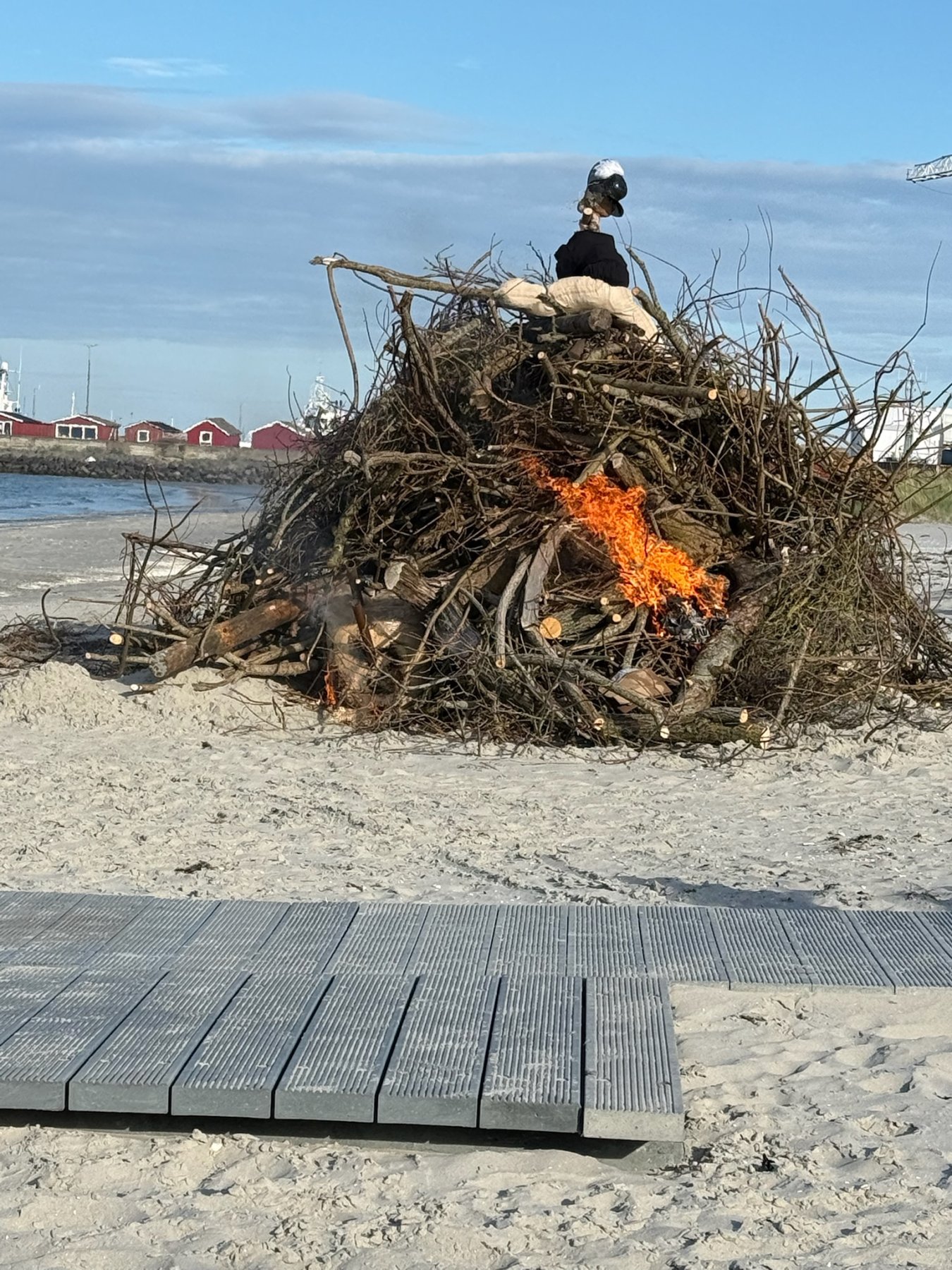
I've just returned from the Sankt Hans bonfire.
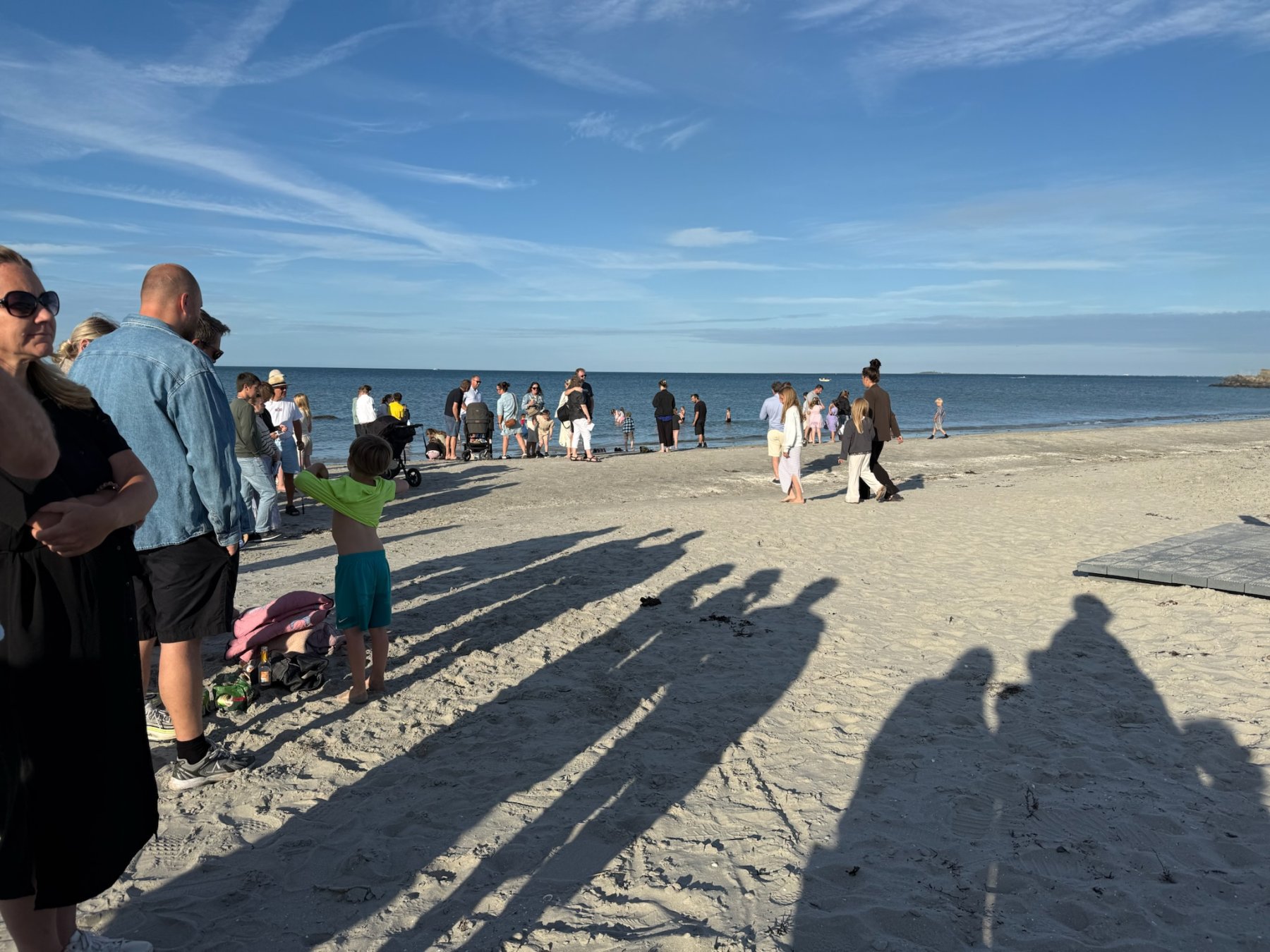
Together with friends, we sat on a large picnic blanket right by the sea. Everyone had brought something. Cheese, sausages, salami, grilled chicken, fresh bread, tomatoes, peppers and of course drinks were not missing. While the sun stood high in the sky on the longest day of the year, we ate, chatted and laughed. Just the way you imagine a Danish summer evening.
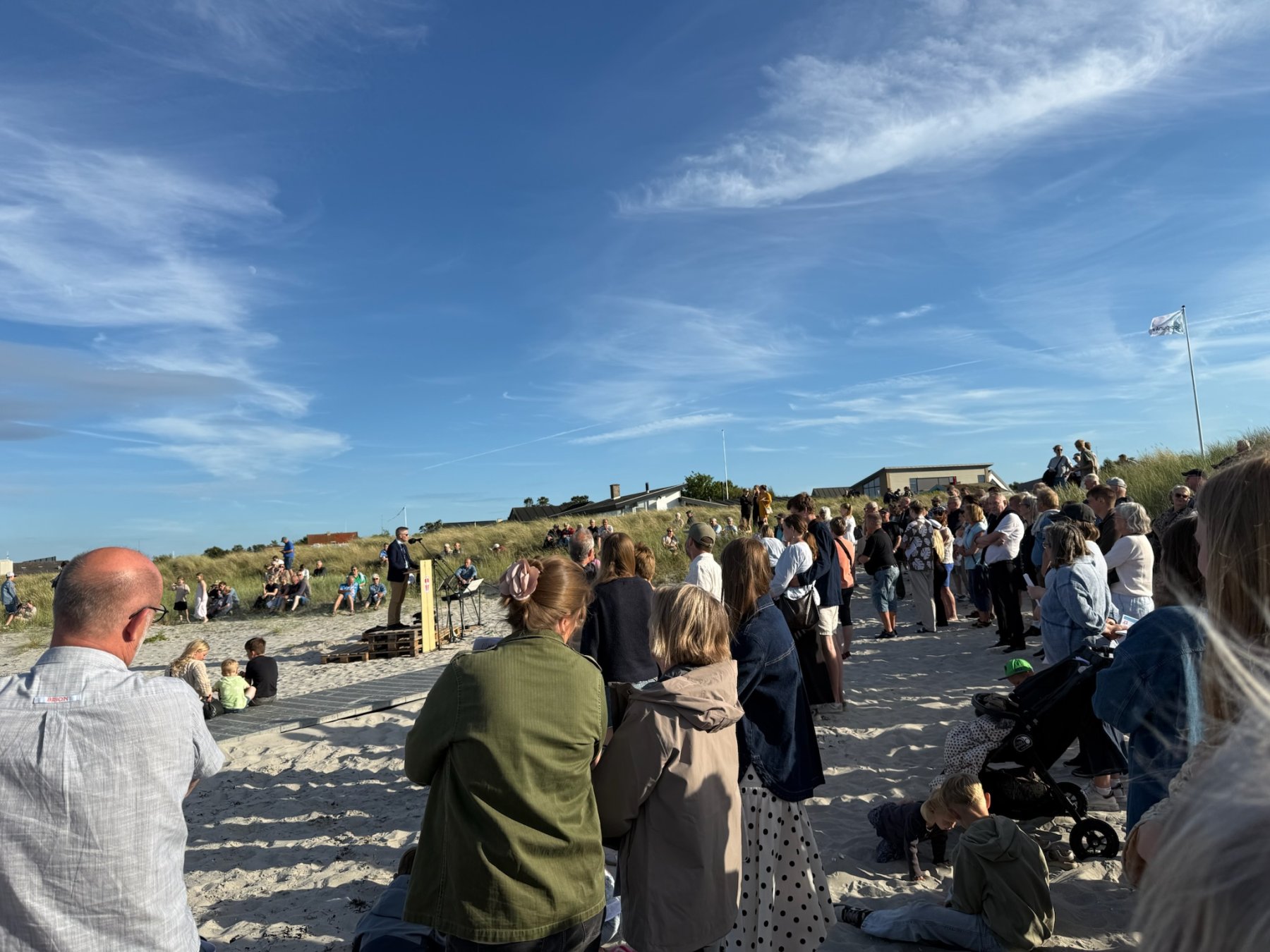
At exactly 7 p.m., the official program began. The mayor gave the traditional Båltale, the fire speech. It was actually his very first one. He's been mayor of Frederikshavn since November and we're part of his municipality. In Strandby he got to hold the first speech before heading on to Skagen.
Afterwards, we sang together with the many people who had gathered around the fire.
Of course, the famous Midsummer song couldn't be missing. More than a hundred voices sang together "Vi elsker vort land". Then a young band got to show what they could do. They played "Idas Sommervise" and also "Lyse Nætter". After that, it became quiet again. Before the evening hymn rang out, we all prayed the Lord's Prayer together.
Meanwhile, the fire slowly burned down and symbolically sent the witch off to the Blocksberg.
But where do these traditions actually come from?
Many Danes have known Sankt Hans since childhood. However, the origins go back much further. The name Sankt Hans goes back to John the Baptist, whose commemoration day is celebrated on June 24th. The Church set this date approximately six months before Christmas because, according to the Bible, John was supposed to be about six months older than Jesus.
That is why the night from June 23rd to 24th is called in Denmark to this day:
Sankt Hans Aften
But Midsummer's night on June 23rd was already a special time in the year long before this. Even in pre-Christian times, people believed that special powers were at work on this night.
The fire was meant to provide protection and ward off evil. That's why people lit fires on hills and along the coasts. Interestingly, the witch known today hasn't actually been part of the tradition for that long. Historical sources only report witch figures on the pyres from the 1920s onwards. They don't symbolize the historical witch hunts, but rather the expulsion of dark forces and bad misfortune.
Equally fascinating is the history of the song that everyone today associates with Sankt Hans.
"Vi elsker vort land" was written in 1885 by Holger Drachmann and composed by P.E. Lange-Müller. Originally it wasn't a Midsummer song at all, but part of a fairy tale play. But the verses about Danish nature, summer and love for the country touched people so deeply that the song soon became a permanent part of Midsummer celebrations.
Incidentally, the melody that is usually sung today doesn't come from the original composition. Many Danes sing a version that the band Shu-bi-dua made popular in 1980. It's easier to sing along to and has therefore become established in many places.
As newcomers, we perhaps experience such evenings particularly consciously. Because here something becomes evident that I greatly appreciate about Denmark: community.
People meet on a beach or in a meadow. They eat together, sing together, listen to a fire speech and enjoy a summer evening by the fire.
And perhaps what's most beautiful about Sankt Hans is that it's a festival that brings everything together:
- ancient pagan Midsummer customs
- Christian tradition around John the Baptist
- Danish romantic nature appreciation
- community by the fire
- singing together
That's why many Danes don't experience Sankt Hans as a religious festival, but as an evening full of community, summer spirit and Danish culture.
It was a wonderful Sankt Hans evening that FDF presented to us this year and even an ice cream van wasn't missing. We're already looking forward to next year :-)