A few days ago, I was scrolling through Facebook again.
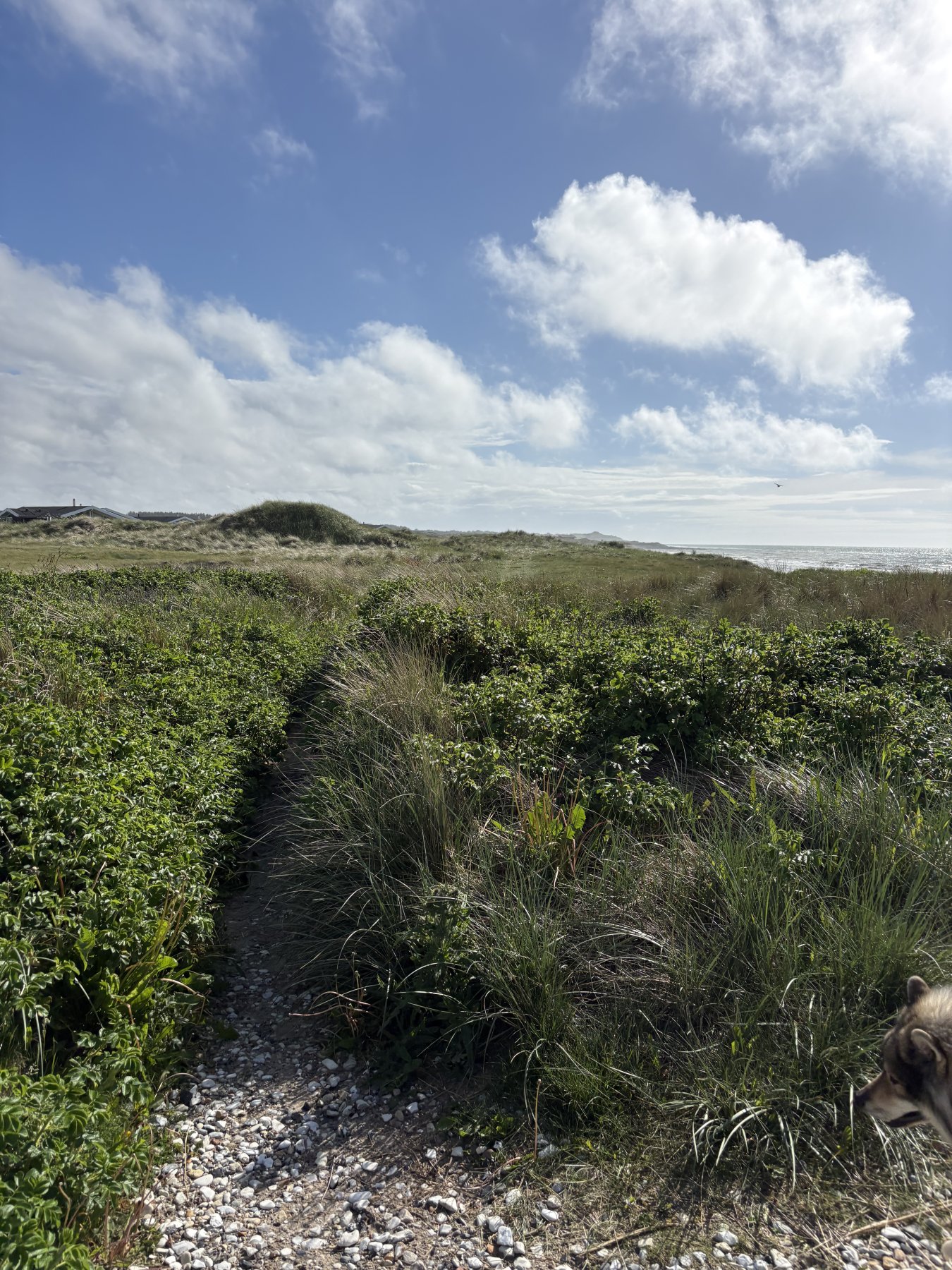
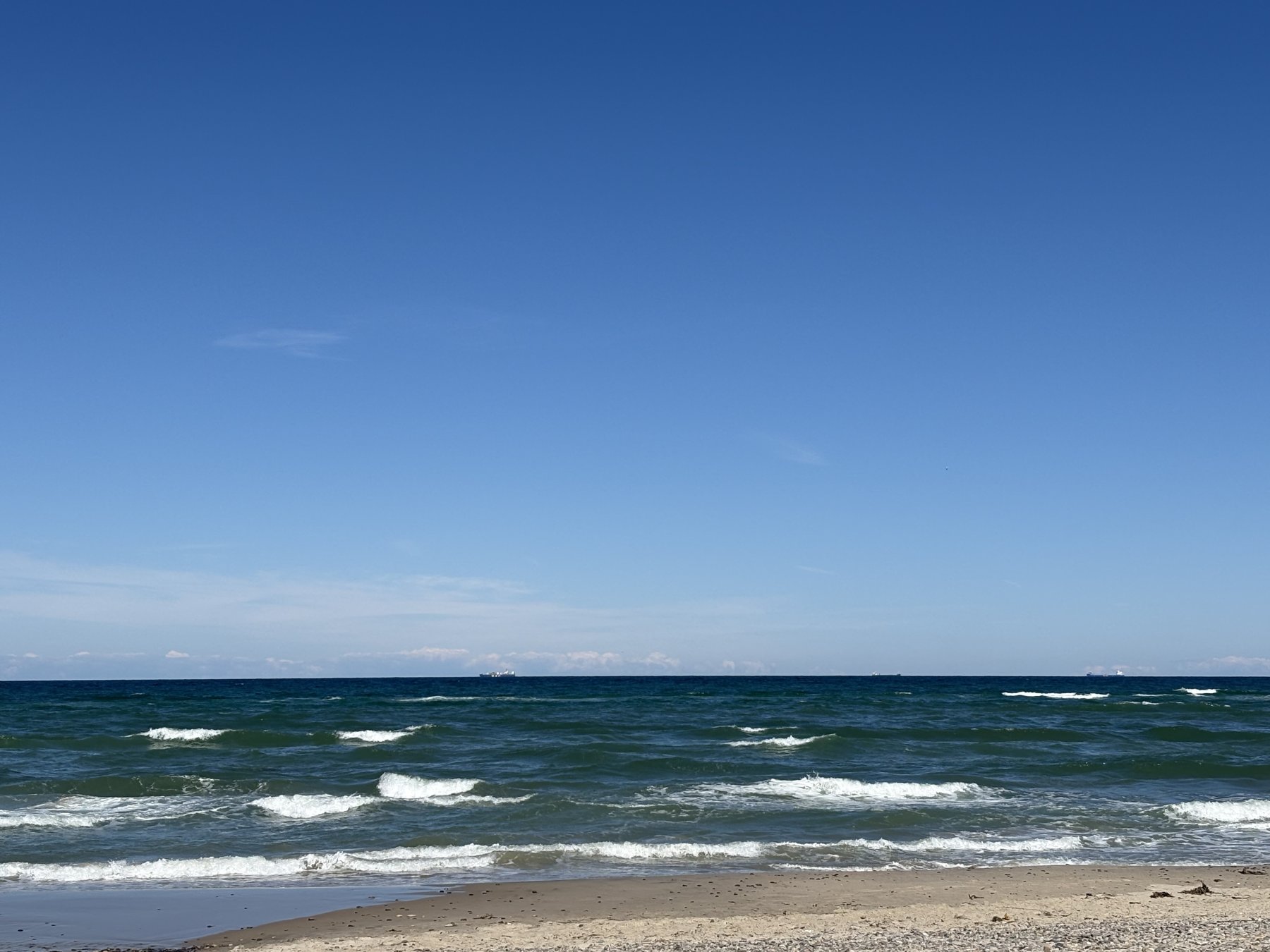
As usual, I ended up in one of the many Denmark groups. There I found pictures from Thorup Strand. Fishing boats on the sand. Dramatic clouds. The North Sea in all its power.
A little later came pictures from Saltum. Dunes in the evening light. Footprints in the sand. Golden sun over the North Sea.
Below the pictures were the usual comments:
"Simply beautiful."
"Our favorite place."
"We've been coming here for 25 years."
"We feel at home there."
And as I looked at the pictures, I realized that each of us carries our own Denmark with us.
The tourist.
The immigrant.
The Dane.
And all three see the same country. But they don't see the same Denmark.
The Denmark of the Tourist
The tourist arrives full of anticipation.
Maybe he drives through the Elbe Tunnel. Maybe across the Storebælt Bridge. Maybe it's his first visit. Maybe he's been coming for thirty years.
He gets out of the car.
The air smells different.
The wind feels different.
The people seem more relaxed.
Then comes the first walk through the dunes.
The first soft ice cream.
The first sunset.
And at some point, he falls in love.
Maybe with Saltum.
Maybe with Blåvand.
Maybe with Skagen.
Maybe with a small holiday cottage somewhere between sea and heath.
Many fall in love so deeply that they return year after year.
And eventually this one place becomes their Denmark.
There's nothing wrong with that.
Quite the opposite.
This love is real.
The pictures in the Facebook groups show exactly that. They show enthusiasm. They show longing. They show memories.
But they only show one section.
The tourist sees the most beautiful weeks of the year.
He sees the dunes.
He sees the fishing boats.
He sees the sunsets.
He rarely sees Monday mornings.
The Denmark of the Immigrant
When we emigrated to Denmark, of course we also had pictures in our heads.
We also knew the coasts.
We also loved the landscape.
We also fell in love with this country.
But at some point, another part of the story begins.
You work here.
You pay bills.
You struggle with the language.
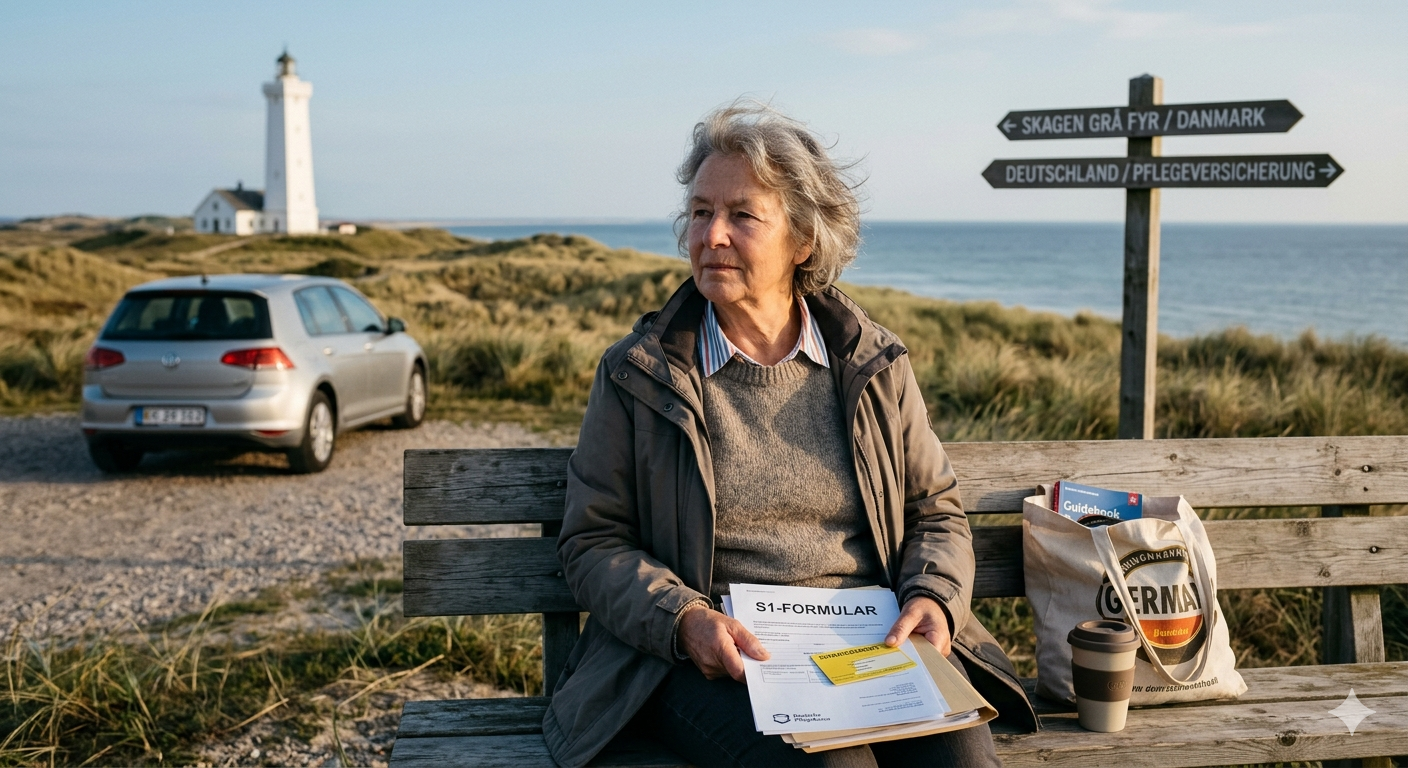
You deal with bureaucracy.
You experience successes.
You experience disappointments.
You make friends.
Sometimes you feel foreign.
And sometimes you suddenly feel at home.
The Denmark of the immigrant is considerably more complex than the Denmark of the tourist.
It doesn't consist only of summer sun and holiday cottages.
It consists of everyday life.
And it's precisely this everyday life that changes your perspective.
You suddenly recognize themes that the tourist hardly notices.
Social discussions.
Political tensions.
The challenges of the healthcare system.
Questions of integration and identity.
The differences between city and countryside.
The changes of a society that transforms just like any other European society.
That doesn't mean you love Denmark any less.
Quite the opposite.
You might even love it more deeply.
Because you no longer know it only from its most beautiful side.
The Denmark of the Danes
And then there are the people who have always lived here.
Maybe their perspective holds the greatest truth of all.
For them, Denmark is neither a holiday paradise nor an emigration adventure.
It is home.
They get up in the morning.
Go to work.
Take their children to school.
Complain about politicians.
Rejoice in summer.
Moan about the weather.
Discuss taxes, hospitals, or the condition of the roads.
Just ordinary people in an ordinary country.
Many Danes probably don't notice the beauty of their country every day anymore.
Not because they don't appreciate it.
But because it has become self-evident.
Just as we Germans perhaps didn't think every day about how beautiful our hometowns actually are.
At the same time, Danes often see developments, worries, and changes much more clearly than tourists or newly smitten immigrants.
They live in the middle of it.
Every day.
The Song That Made Me Think
Recently, I heard the song "Danmark" by the band Gnags from 1986.
A song full of love for this country.
But not a blind love.
The song celebrates Denmark.
And at the same time, it holds up a mirror to Denmark.
It describes the beauty of the country.
The dreams.
The hope.
The diversity.
But at the same time it warns against becoming closed off, lonely, or self-centered.
Especially the line
"Lige meget hvem du er, lige meget hvor du er, så velkommen her"
Moved me.
No matter who you are.
No matter where you are.
Welcome here.
Maybe that's exactly the great strength of this song.
It doesn't speak from the perspective of a tourist.
Not from the perspective of an immigrant.
And not just from the perspective of a native Dane.
It speaks from the perspective of someone who loves his country and at the same time hopes that it preserves its best qualities.
Who Sees the True Denmark?
Maybe the answer is:
No one.
Or better yet:
Everyone.
The tourist sees something real.
The immigrant sees something real.
The Dane sees something real.
Each recognizes a part of the picture.
Only together does the whole emerge.
When I see the beautiful pictures from Thorup Strand or Saltum today, I'm delighted.
Because I see myself reflected in them.
Once I too fell in love with exactly these pictures.
But today I see something else as well.
The life behind the postcards.
The people behind the facades.
The everyday behind the holiday dreams.
And maybe that's exactly what my Denmark has become:
Not just the dunes.
Not just the fishing boats.
Not just the sunsets.
But a real country with real people.
With light and shadow.
With strengths and weaknesses.
With beauty and challenges.
And that's exactly why I love it.