I keep reading in German groups and comments that Denmark is the promised land.
The land of happy people. The land of hygge. The land of kindness, calm, and a better life.
And yes. Much is actually different here.
Some things quieter. Some things more humane. Some things less complicated.
But one thing Denmark definitely is not:
An endless vacation.
Because even the most beautiful vacation eventually ends. And then everyday life begins.
That's exactly what many people forget—those who have fallen in love with this country year after year during their summer holidays. You sit on the beach, visit little harbors, eat soft ice cream, enjoy the relaxed atmosphere, and at some point you think:
"I want to live here."
But between vacation and emigration lies a world.
Vacation means lightness. Emigration means change. Deep change.
And sometimes that change hurts.
Of course, there are people who live right behind the border, continue working in Germany, keep their friends, clubs, and social life there, and basically just moved their address to Denmark.
That's completely legitimate.
But that's not the same as truly emigrating.
Because real emigration often only begins when you realize that suddenly nothing is taken for granted anymore.
The language, for example.
At first, you can barely express yourself. You can't say what you really think. Can't react spontaneously. Can't tell people how you're doing. Can't just be yourself.
And that's exactly what makes you lonely.
Suddenly you're standing there like a child who knows words but can't convey a real personality anymore.
You want to have conversations. Want to belong. Want to laugh, discuss, joke around.
But the language is missing.
And then you sit at home and suddenly realize how much you miss all those little things.
The familiar bakery. The silly comment at the supermarket checkout. Old friends. Family. Familiar voices.
Sometimes you even miss the opportunity to go to the cemetery and "check on your dead."
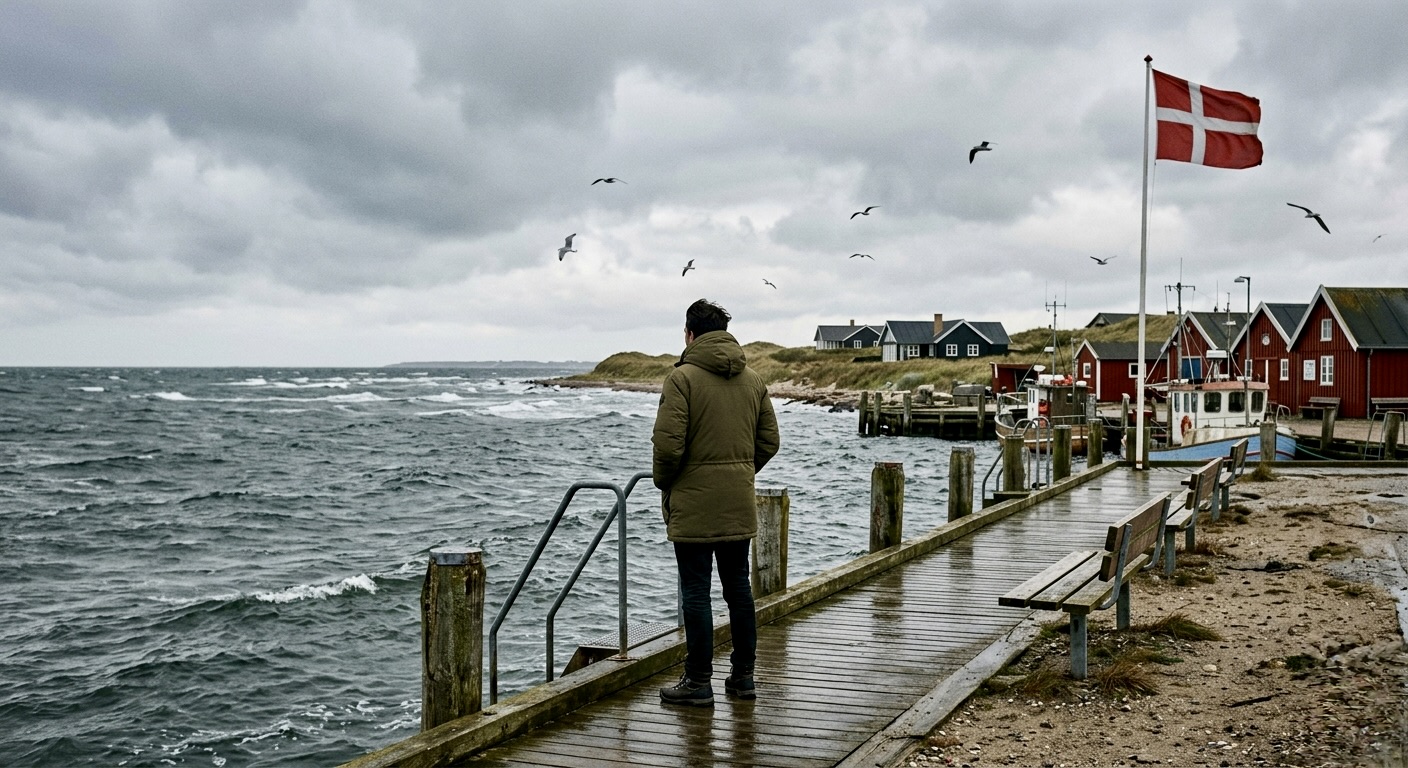
And when there's wind, rain, and gray skies outside for days on end, sometimes you just feel miserable and think:
"This will never get better."
Yes, I have regretted my emigration. More than once.
I've lain awake many nights. I've cried. I've doubted. I've wondered if this step was right.
And surprisingly few people talk about this honestly.
Instead, you often read about how incredibly popular Germans supposedly are in Denmark.
How much German expertise is admired. How enthusiastic Danes supposedly are about German celebration culture. How much we are valued here.
And frankly, I find some of that pretty strange.
Of course it's exciting when new neighbors arrive. Of course you're greeted warmly. And yes, when German families have their first big gatherings, when there's lots of cooking, talking, and celebrating, then that's interesting.
Maybe even impressive.
But many Germans confuse attention with admiration.
Just because someone participates friendlily doesn't automatically mean they want to live the same way.
Because the way community is lived in Denmark is often quite different.
Quieter. More reserved. Less self-promotion. Less grand gestures.
And that's exactly where many misunderstandings arise.
The German sometimes still thinks he's being celebrated while in the eyes of some Danes he has long since disqualified himself without noticing it.
Not out of malice. But because people communicate differently.
Many Germans come across very directly. Very present. Very convinced of themselves. That often works well in Germany. In Denmark, however, it quickly comes across as loud or exhausting.
And then there's something else that hardly anyone talks about:
The elbow mentality.
This "I'm getting the best for myself". This constant complaining. This picking and choosing. This need for special treatment.
That doesn't go over well here.
Because Denmark functions differently in many social areas.
Here, the idea that no one is more important than anyone else matters.
Equality isn't just a political word here. It's a fundamental social feeling.
And that's exactly where the Law of Jante comes into play.
Many Germans struggle incredibly with this.
Because we've learned to stand out. To present ourselves. To make ourselves visible. To appear successful.
In Denmark, doing exactly that can quickly come across as unpleasant.
Not because Danes don't like successful people. But because you don't need to constantly make yourself bigger than others.
And then there's tourism.
Of course, many regions live off German guests. You meet them in a friendly, open, and service-oriented way. Nobody wants to scare away their guests.
But that's often misunderstood too.
Friendliness doesn't automatically mean enthusiasm.
Because some things definitely come across negatively here.
For example, when traffic signs, lighthouses, or public places get covered with stickers of German soccer clubs or other decals.
People don't find that charming here.
And unfortunately, it keeps turning out that the perpetrators are Germans.
That's also why many Danes now look very carefully.
And then this word, which is now ringing out from every corner:
Hygge.
Almost everyone uses it. Hardly anyone really understands it.
Because hygge isn't a design style.
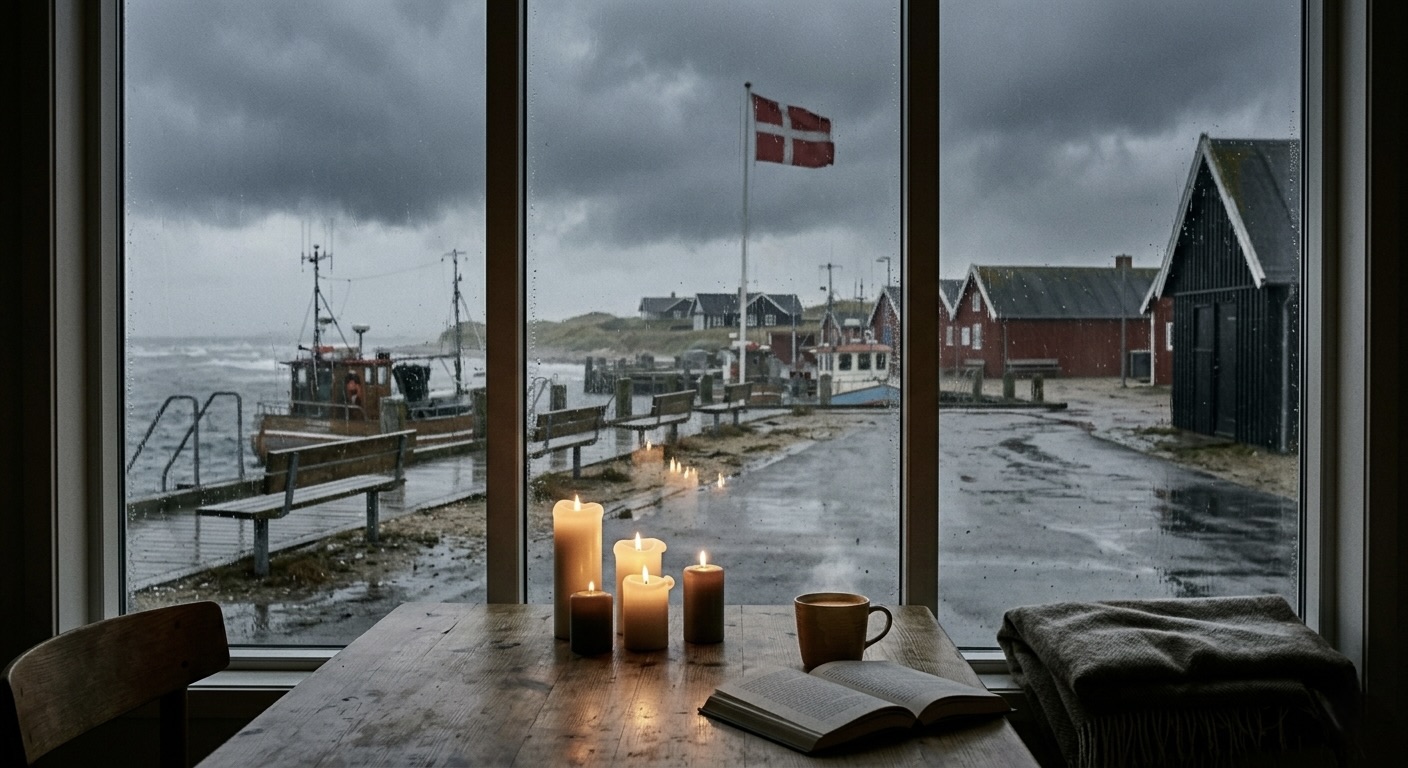
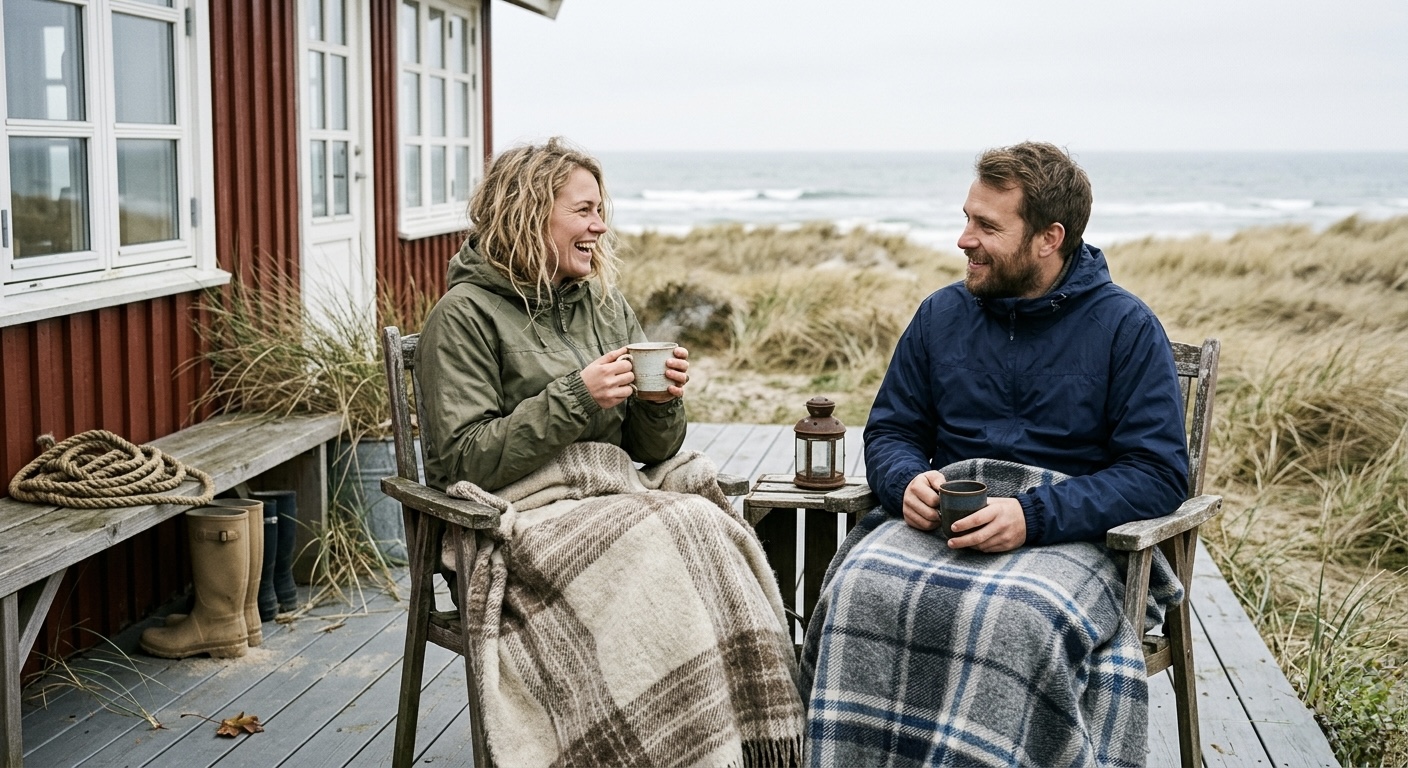
Hygge doesn't mean candles, wool blankets, and cinnamon rolls.
Hygge is at its core a feeling.
A feeling of security. Of trust. Of peace. Of equality.
It means being together with people without having to prove yourself.
Without big masks. Without status. Without self-promotion.
And that's exactly why you can't buy hygge.
You can only experience it.
But to do that, you have to integrate.
You have to learn the language. You have to listen. You have to want to understand. You have to accept that things work differently here.
And that takes time.
A very long time sometimes.
Emigration doesn't just mean changing your address.
It means changing yourself.
And that's where many fail.
Not with Denmark. But with their idea of what Denmark actually is.