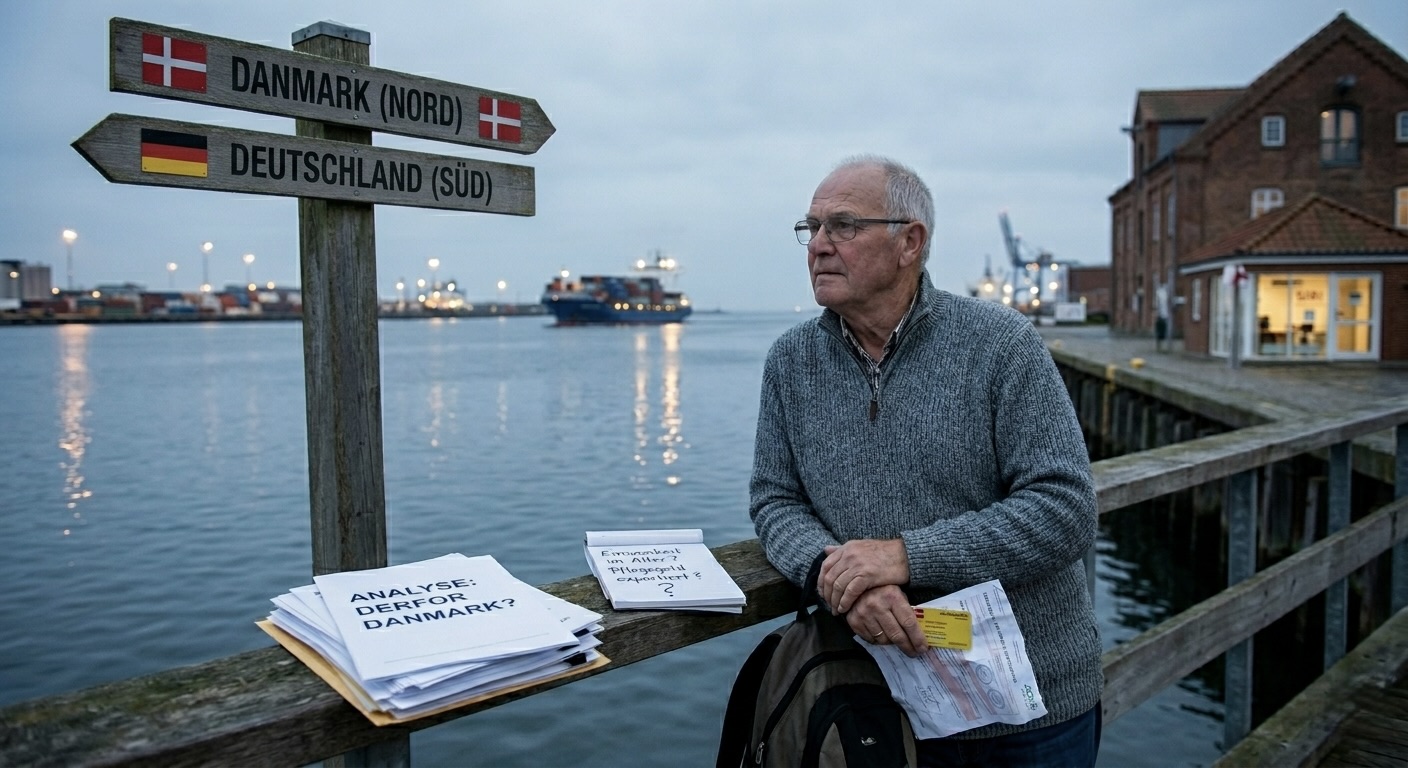
Over the past few days, I've noticed more and more people on social media talking about the idea of moving to Denmark. This country, often perceived as particularly happy and worth living in, holds great appeal for many.
But increasingly, another question comes up: Can you actually move to Denmark if you're receiving social benefits in Germany, getting basic income support, have a small pension, or depend on care services?
At this point, wishful thinking and reality often collide pretty hard.
Because Denmark has been pursuing a comparatively strict course on immigration and social welfare for many years. The country is generally pleased with people who work, integrate, and can provide for themselves long-term. At the same time, access to the Danish social system is much more regulated than many German emigrant groups assume online.
Anyone who wants to move to Denmark without sufficient income, without a job, or with ongoing support needs often encounters significant practical and legal hurdles—starting with residence rights all the way through to finding housing and medical care.
So what's the reality actually like? What options do retirees, people with care needs, or recipients of German social benefits really have? And where do the limits of the Danish system begin?
Residence Rights for Non-Workers
Although citizens from EU countries generally have the right to freedom of movement, this comes with conditions once you're no longer available to the labor market. If you're a retiree or someone with chronic illness wanting to move to Denmark, you often fall under the category of "persons with sufficient means" ("selvforsørgende").
In practice, this means one thing above all: Danish authorities examine very carefully whether a person can permanently secure their own livelihood.
Social Benefits from Germany
Benefits like basic income support or age-related basic security can't simply be "taken along" to Denmark. Anyone who can't finance their own livelihood independently will likely have a very hard time in practice obtaining residence rights as a self-supporting person.
Proof of Sufficient Financial Means
Retirees or non-working persons typically need to be able to demonstrate that their income is sufficient to cover rent, living costs, and health insurance in Denmark independently.
Authorities look at your overall financial situation, including:
- statutory pensions
- occupational pensions
- private retirement savings
- savings
- regular other income
What Happens to German Care Allowance?
For people with care needs, it's important to know that the EU distinguishes between cash benefits and benefits in kind.
Care allowance can generally continue to be paid
Pure German care allowance can continue to be paid under certain conditions even if you live in Denmark. This is meant to allow the person requiring care to decide themselves how support is organized.
These benefits may also be considered in assessing your overall financial situation.
Health Insurance and the S1 Form
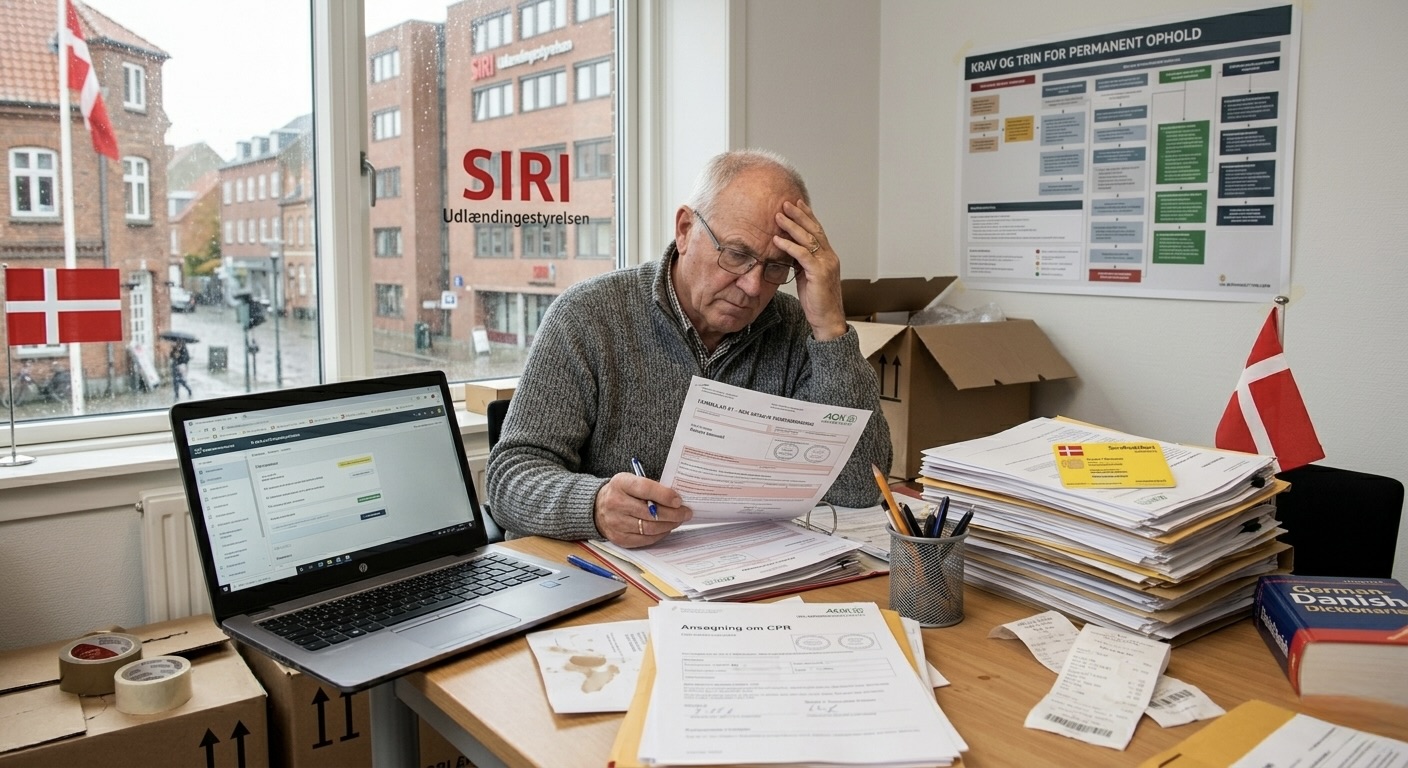
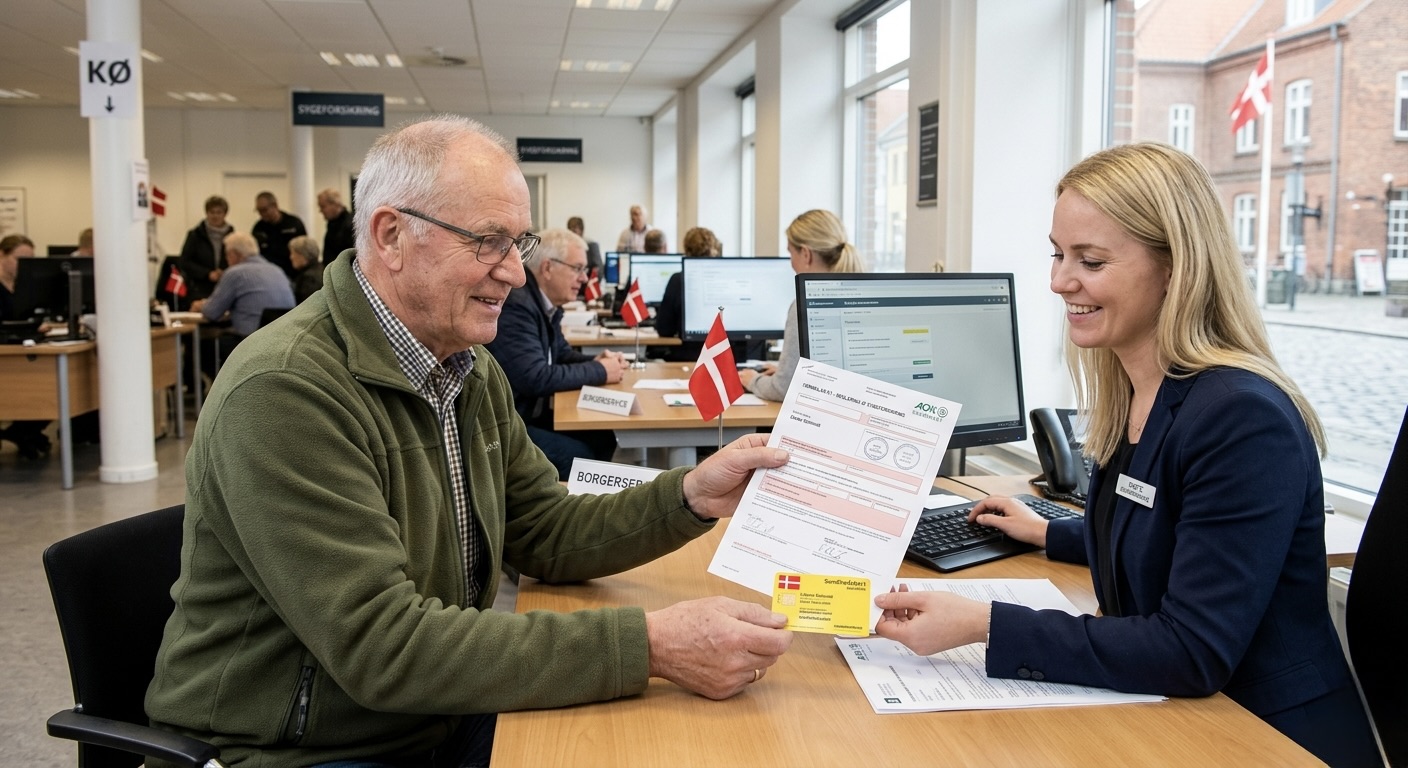
If you move to Denmark as a retiree, you also need continuous health insurance coverage. This often happens through what's called the S1 form from your German health insurance company. With this, you can register in Denmark and then receive the yellow health insurance card ("Sundhedskort").
Not every German retiree has to actively obtain an S1 themselves, and many experience the process quite smoothly through notification from their own health insurance in Germany or their pension provider. This easily creates the impression that health insurance "just runs automatically."
Behind the scenes, however, the system is more complicated:
For many German retirees, medical cost coverage actually continues through Germany and is based legally on the S1 procedure between countries. Often this is regulated directly between authorities or insurance companies, so those affected barely notice it.
Depending on your personal situation, particularly for retirees, German health insurance can continue to play a role. The exact arrangements are often coordinated between authorities and insurance companies.
It Gets More Complicated with Care Services
It's significantly more complicated with municipal care services in Denmark, such as:
- home care services
- practical household help
- nursing homes ("Plejehjem")
- special senior housing
These services are organized and financed by Danish municipalities. Actual needs are assessed individually according to Danish criteria.
Immediate access to extensive municipal care services right after moving is therefore often legally and practically difficult.
Housing Search as an Additional Hurdle
Even if your financial situation is sufficiently stable, the next problem often starts right at the housing search.
namely with the CPR number
Many private landlords require a Danish CPR number for a rental contract. However, you often only get this after residence rights and place of residence have been officially registered.
This creates an initial problem for many emigrants.
Non-Profit Housing ("almene boliger")
Denmark does have many well-organized and sometimes barrier-free housing complexes, but these are usually allocated through waiting lists. Depending on the region, wait times can be considerable.
In smaller municipalities or in northern Denmark it's sometimes faster than in Copenhagen or Aarhus, but it rarely works without any waiting time.
Senior Housing ("ældreboliger")
Age-appropriate housing is often allocated by the relevant municipality. They individually assess whether there's a corresponding health or care need.
Newly arrived persons without existing municipal connections often have it much more difficult in practice.
The Danish welfare state is efficient, yet highly regulated. Anyone who wants to move to Denmark in their senior years or with care needs should therefore engage early and realistically with the actual requirements.
Moving without sufficient income of your own is usually barely realistic in practice. However, if you have a stable financial foundation and prepare your situation carefully, you can also successfully move to Denmark as a retiree or person with care needs.
What's most important are good preparation, sufficient financial means, and a realistic view of the bureaucratic and practical challenges.